

Key Takeaways
- Birth certificates are essential legal documents required for passports, REAL ID, Social Security cards, and other identity verification purposes
- Only order from authorized vendors like VitalChek online to avoid high fees and delays from unauthorized third-party sites
- Costs typically range from $9-$15 per certificate, with additional fees for expedited processing and shipping
- New parents automatically receive their first birth certificate 3-4 weeks after birth at no cost
- Processing times vary by jurisdiction but online orders through authorized vendors are typically fastest
A birth certificate serves as your primary proof of identity and citizenship, making it one of the most important documents you’ll ever need. Whether you’re applying for a passport, obtaining a REAL ID driver’s license, enrolling a child in school, or accessing government services, this vital record opens doors to essential aspects of modern life.
Yet many people struggle with the confusing process of obtaining birth certificates, often falling victim to expensive third-party websites or facing delays due to incomplete applications. This comprehensive guide will walk you through everything you need to know about getting your birth certificates efficiently and affordably from official sources.

What Are Birth Certificates and When You Need Them
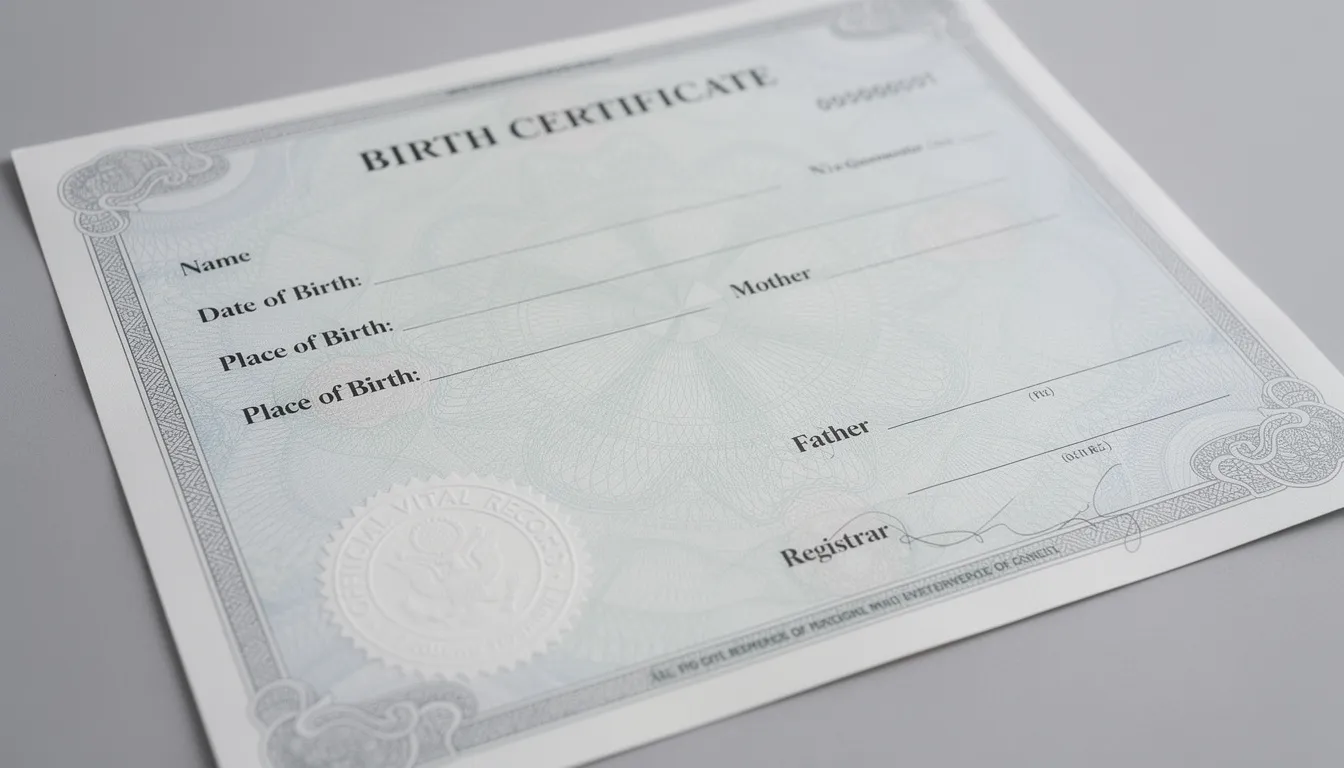
Birth certificates are official government documents that provide legal proof of a person’s birth and serve as foundational identification in civil registration systems. These vital records contain essential information including your full name, date of birth, place of birth, and parent information, making them crucial for establishing identity and accessing services throughout your life.
The importance of birth certificates extends far beyond simple record-keeping. You’ll need a certified copy for numerous critical life events and legal processes:
Identity and Legal Documentation:
- Obtaining a driver’s license or state ID card
- Applying for REAL ID compliant identification
- Getting a passport for international travel
- Applying for a Social Security card or replacement
- Marriage certificate applications
- Employment verification in certain industries
Educational and Family Services:
- School enrollment for children
- College applications and financial aid
- Military service enrollment
- Adoption proceedings
- Child custody and support cases
Government Benefits and Services:
- Social Security benefits applications
- Medicare and Medicaid enrollment
- Veterans benefits
- Immigration and naturalization processes
Understanding the distinction between different types of birth certificates is crucial. Authorized certified copies bear a raised seal or embossed stamp and are accepted for all legal purposes, while informational copies are marked for genealogy research only and cannot establish legal identity.
The birth record must be ordered from the vital records office in the jurisdiction where the birth occurred, not where you currently live. This means if you were born in Florida but live in California, you must contact Florida’s Department of Health vital statistics office to obtain your certificate.
How to Order Birth Certificates
There are three primary methods to request birth certificates, each with distinct advantages depending on your timeline and preferences. Understanding these options helps you choose the most efficient approach for your specific situation.
Online Ordering Through Authorized Vendors
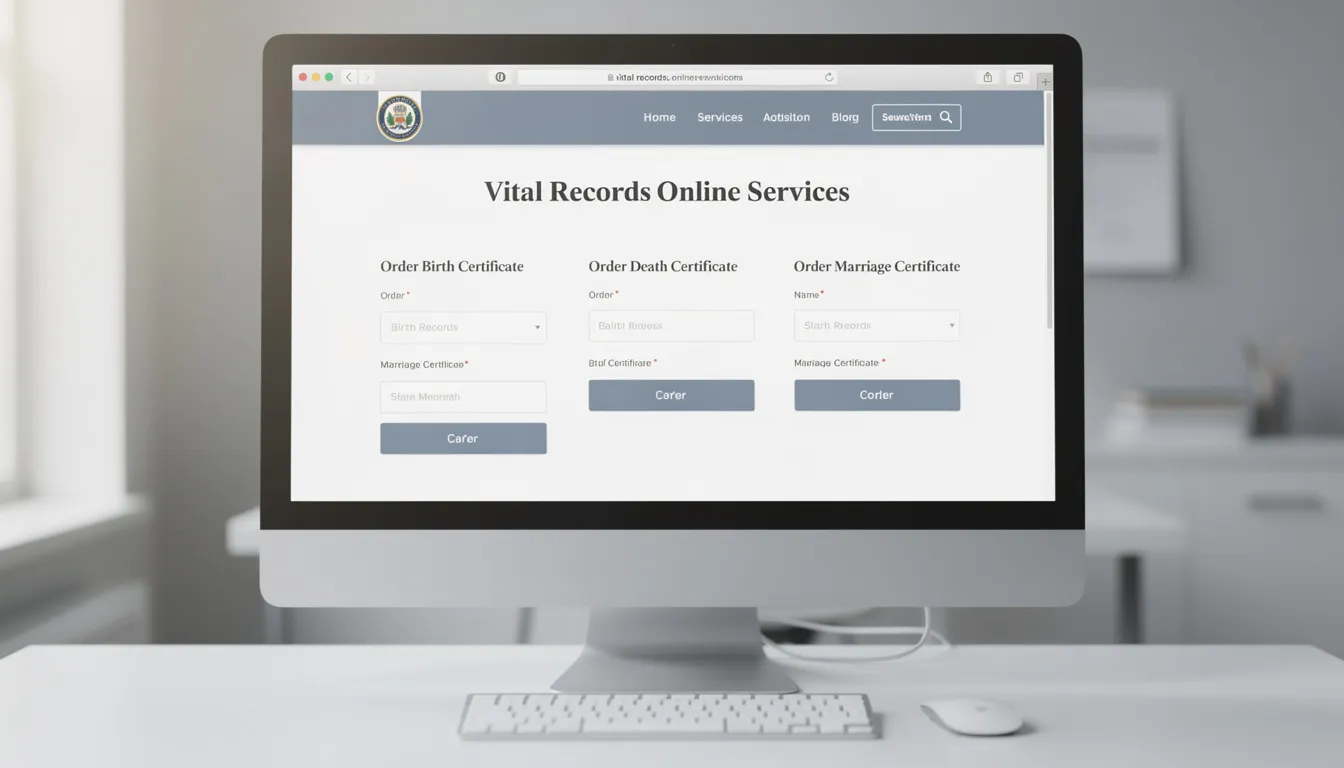
Online ordering through VitalChek represents the fastest and most convenient method for most jurisdictions. As the only authorized online vendor for birth certificates in most states, VitalChek processes requests directly with vital records offices, ensuring legitimate documents and reasonable processing times.
The online process typically involves:
- Visiting the official state vital records website
- Following links to VitalChek’s secure ordering system
- Completing the application with required birth information
- Providing identification verification
- Paying fees with major credit cards (Visa, Mastercard)
- Choosing delivery options
Processing typically takes 2-3 business days plus shipping time, making this the preferred method when you need documents quickly.
Mail Orders with Completed Forms
Mail ordering remains popular for those preferring traditional paper applications. Each state provides specific forms, such as Florida’s DH726 form, which must be completed accurately and submitted with proper payment and identification.
The mail process requires:
- Downloading and completing the correct state form
- Including a money order or certified check (cash not accepted by mail)
- Providing photocopies of valid identification
- Mailing to the designated vital records office address
- Waiting 2-4 weeks for processing and delivery
For those needing to authenticate Illinois documents for international use, Illinois Apostille Services can help expedite the process.
Walk-in Service at Vital Records Offices
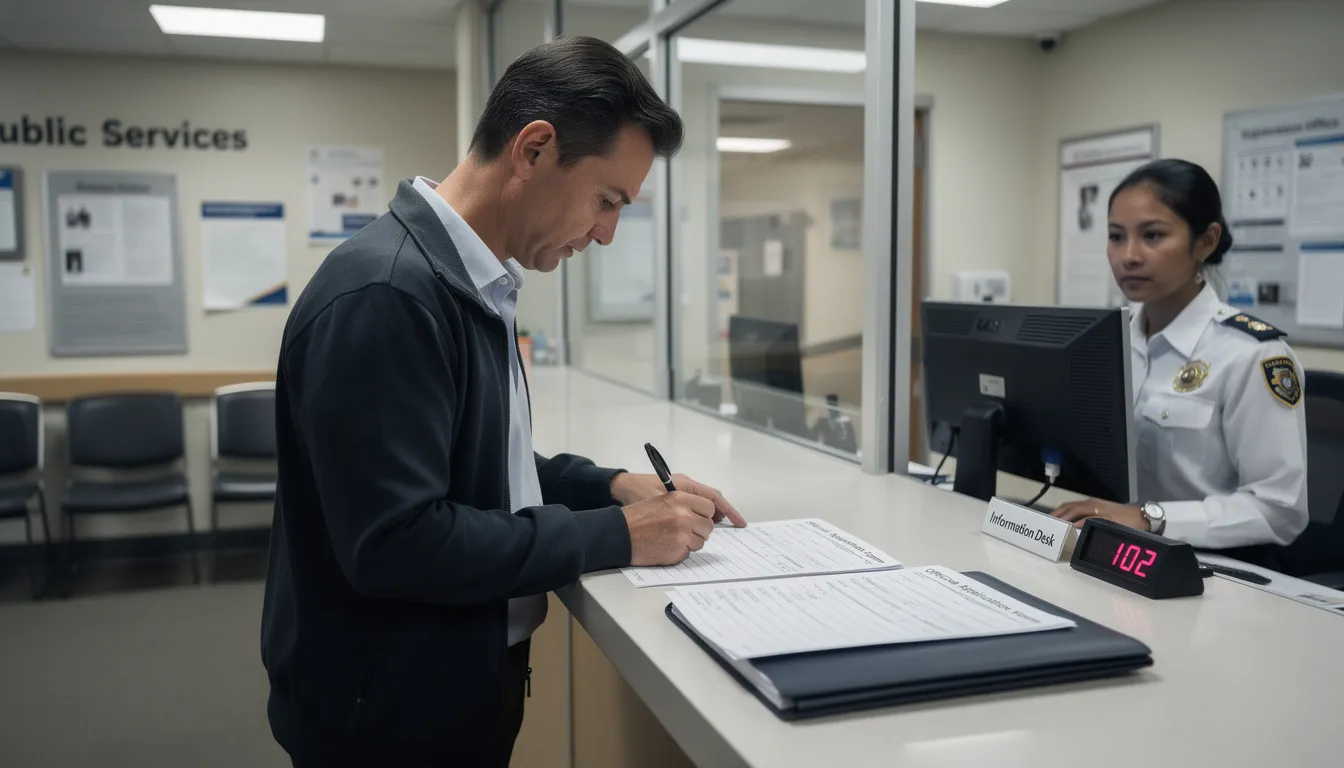
In-person visits to vital records offices allow immediate verification and faster processing, though same-day service is generally not available. Most offices operate during standard business hours and accept cash, check, or card payments.
Benefits of visiting in person include:
- Direct assistance with form completion
- Immediate verification of identification requirements
- Ability to order multiple types of vital records simultaneously
- Reduced risk of application errors or delays
Required Documentation for Orders
Proper documentation is essential for successful birth certificate requests, particularly when ordering authorized certified copies. Requirements vary slightly by jurisdiction, but common elements include:
Primary Identification Requirements:
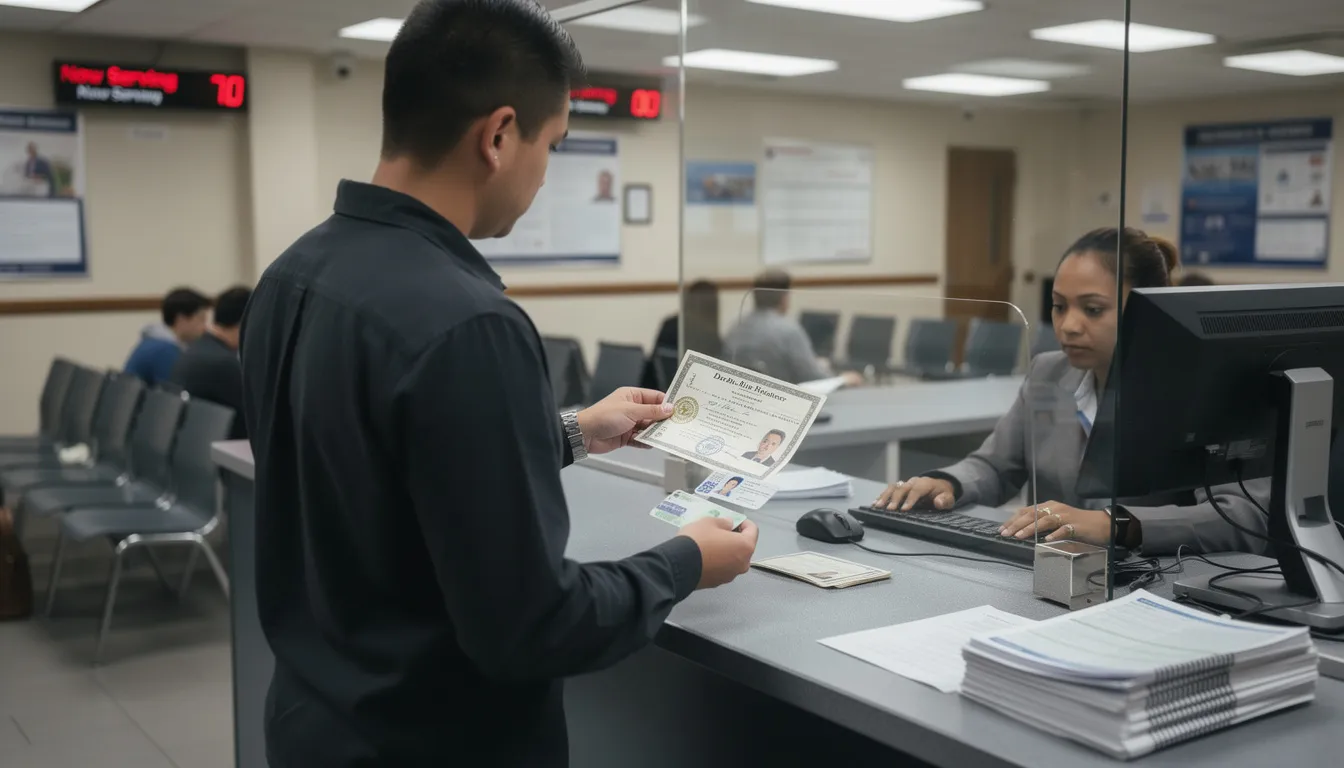
- Valid government-issued photo identification (driver’s license, passport, state ID card)
- Military ID or federal employee identification
- Current identification must not be expired
Proof of Relationship (When Ordering for Others): If you are ordering a birth certificate apostille for someone else, you’ll need to provide proof of your relationship. For more information, check out our guide to the top 4 online birth certificate apostille services reviewed.
- Marriage certificate linking you to the person named on the birth record
- Court order establishing legal guardianship or custody
- Parent-child relationship documentation
- Death certificate if requesting as surviving spouse or child
Complete Birth Information:
- Full name as it appears on the birth record
- Exact date of birth (month, day, year)
- City and county where birth occurred
- Father’s full name (including middle name if known)
- Mother’s full maiden name
- Hospital name if birth occurred in a medical facility
Special Documentation for Authorized Copies:
Some jurisdictions require a notarized Certificate of Identity for authorized copies, particularly when requesting by mail. This document, completed in the presence of a notary public, provides additional verification of your identity and relationship to the person named on the certificate.
Legal representatives, including attorneys acting on behalf of clients, must provide documentation of their authorized status, such as a court order or power of attorney, along with their professional identification.
Types of Birth Certificates Available
Understanding the different categories of birth certificates ensures you order the correct document type for your intended use. Each type serves specific purposes and carries different legal weight in official proceedings.
Authorized Certified Copies
Authorized certified copies represent the gold standard for legal identification purposes. These documents feature raised seals or embossed stamps from the vital records office, making them acceptable for all official purposes including REAL ID applications, passport requests, and federal benefit programs.
Key characteristics include:
- Printed on official safety paper designed to prevent tampering
- Bear the official seal of the issuing vital records office
- Include the signature of the registrar or authorized official
- Contain complete birth information as recorded in the original birth record
- Meet federal standards for identity verification
Informational Certified Copies
Informational copies contain the same birth data but are clearly marked “NOT A VALID DOCUMENT TO ESTABLISH IDENTITY.” These certificates serve genealogy research, family history projects, and personal record-keeping but cannot be used for legal identification.
Despite lower cost in some jurisdictions, informational copies are not suitable for:
- Passport applications
- REAL ID driver’s license applications
- Social Security Administration purposes
- Employment eligibility verification
- School enrollment requiring official documentation
Pre-Adoption Certificates
Adoptees may need access to pre-adoption birth records containing information about biological parents. These certificates require special procedures and may involve court orders depending on state adoption laws and the adoptee’s age at the time of request.
The process often includes:
- Proof of adoption through certified adoption decree
- Valid identification establishing the requesting person’s identity
- Compliance with state laws regarding sealed adoption records
- Additional fees for specialized processing
Pre-1910 Birth Certificates
Historical birth records predating modern vital statistics systems may require special procedures and additional documentation. Many states began comprehensive birth registration in the early 1900s, so earlier records might be incomplete or stored in different formats.
Obtaining pre-1910 certificates may involve:
- Alternative documentation requirements
- Extended processing times for manual searches
- Higher fees reflecting specialized research
- Possible referral to historical societies or religious organizations
Costs and Fees Structure
Birth certificate fees vary significantly by jurisdiction, but most states maintain reasonable pricing for essential identity documents. Understanding the complete fee structure helps you budget appropriately and avoid unexpected charges.
Base Certificate Fees
Standard fees for birth certificates typically range from $9.00 to $15.00 per certificate, representing excellent value for such important legal documents. For example:
- Florida charges $9.00 per certificate
- Nevada charges $15.00 per certificate
- Most other states fall within this range
These base fees include a non refundable search fee, meaning you’ll pay the cost even if no record is found. However, legitimate vital records offices will refund fees if they cannot locate a record due to insufficient information provided.
Additional Processing Fees
Beyond base certificate costs, several optional services carry additional fees:
Expedited Processing: Rush service typically adds $10-25 to base fees, reducing processing time from standard 2-3 weeks to 3-5 business days for mail orders.
Express Shipping: Overnight or two-day delivery options range from $15-30 depending on the carrier and destination.
First-Time Registration: Some jurisdictions charge an initial registration fee of $13 for births not previously registered, though this fee may be waivable with proof of prior payment to the hospital or attending physician.
Correction Fees: Name changes, date corrections, or parent information updates typically cost $15-50 depending on the complexity and supporting documentation required.
Payment Methods
Most vital records offices accept multiple payment forms for your convenience:
- Major credit cards (Visa, Mastercard, American Express, Discover)
- Personal checks with valid identification
- Money orders for mail applications
- Cash for walk-in service only
- Cashier’s checks for large orders
Online orders through VitalChek require credit card payment, while mail orders typically require money order or certified check to ensure payment security.
Information for New and Expectant Parents
New parents navigate unique circumstances in the birth certificate process, with hospitals facilitating initial registration and states providing automatic issuance of first certificates. Understanding these procedures ensures smooth documentation for your newborn.
Automatic First Certificate Issuance
Hospitals typically handle initial birth registration automatically, completing required paperwork within days of delivery and submitting information to state vital records offices electronically. Parents receive their first certified copy approximately 3-4 weeks after birth at no cost, mailed directly to the address provided during hospital registration.
This automatic process includes:
- Electronic submission of birth data from hospital to state registry
- Assignment of official registration number
- Production and mailing of certified copy to parents
- Integration with Social Security Administration for Social Security card processing
Mother/Parent Worksheet Completion
Completing the Mother/Parent Worksheet accurately during your hospital stay ensures correct information appears on your child’s birth record. This document captures:
- Complete names for both parents
- Parent birthdates and birthplaces
- Marital status and relationship information
- Mother’s maiden name
- Demographic information for vital statistics
If you need to authenticate these documents for international use, consider using Missouri apostille services.
Accuracy at this stage prevents costly corrections later, as errors discovered after registration require formal amendment processes with supporting documentation and fees.
Unmarried Parents and Paternity
Unmarried parents face additional considerations for father recognition on birth certificates. Most states require an Acknowledgment of Parentage form signed by both parents to include father information, either at the hospital or through subsequent legal proceedings.
The paternity establishment process involves:
- Voluntary acknowledgment signed by both parents
- Notarization or witness requirements
- Integration with child support enforcement systems
- Legal implications for custody and inheritance rights
Without proper paternity establishment, fathers may not appear on initial birth certificates, requiring later legal action for recognition.
Name Changes and Corrections
Understanding the timeline and procedures for name changes and corrections helps parents address issues efficiently while minimizing costs and delays.
Free Correction Periods
Most states offer generous correction periods for newborn birth certificates:
Given Name Additions: Parents can add first or middle names free of charge within 60 days of birth by providing proper documentation and completing state-specific forms.
Hospital Error Corrections: Mistakes made by hospital staff during initial registration can be corrected within 12 months at no charge, provided parents can demonstrate the error originated with the medical facility rather than parent-provided information.
Timing Requirements: After free correction periods expire, standard amendment fees apply, typically ranging from $15-50 depending on the complexity of changes requested.
Required Documentation for Changes
Successful name changes and corrections require specific supporting documentation:
- Original birth certificate showing incorrect information
- Hospital records supporting the correction request
- Signed affidavits from parents confirming intended information
- Marriage certificates if name changes involve parental name updates
- Court orders for legal name changes occurring after birth registration
Court-Ordered Changes
Significant changes to birth certificates, including complete name changes or parent information modifications, typically require court action. This process involves:
- Filing petitions with appropriate family or probate courts
- Providing notice to interested parties
- Obtaining court orders directing vital records offices to make changes
- Paying court fees in addition to vital records amendment charges
The court process provides legal protection ensuring changes meet statutory requirements and don’t facilitate fraud or identity theft.
REAL ID and Official Document Requirements
The REAL ID Act establishes federal standards for state-issued driver’s licenses and identification cards, making birth certificates essential components of compliant identification systems. Understanding these requirements helps ensure smooth applications for enhanced licenses.
Birth Certificates as Primary Identity Documents
REAL ID regulations designate certified birth certificates as primary documents for proving identity and lawful presence in the United States. These certificates must meet specific security and authenticity standards:
- Issued by authorized state or local custodians of vital records
- Printed on safety paper with appropriate security features
- Bear raised seals or embossed stamps from issuing authorities
- Contain complete birth information including full name, date, and place of birth
Acceptable Certificate Standards
Not all birth certificates meet REAL ID requirements. Acceptable documents must:
- Be certified copies from official vital records offices
- Include original signatures or official stamps from registrars
- Show no evidence of tampering or alteration
- Be issued from birth records permanently maintained by states
- Comply with federal security standards for vital records
Hospital-issued commemorative certificates, even if they contain accurate birth information, do not meet REAL ID standards and cannot be used for enhanced license applications.
State-Specific DMV Requirements
While federal law establishes basic standards, individual states may impose additional requirements for REAL ID applications. Before visiting your local DMV, review specific state requirements which may include:
- Recent issuance dates (some states prefer certificates issued within 2 years)
- Long-form vs. short-form preferences
- Additional documentation for name changes since birth
- Specific forms of payment accepted for license fees
Many states provide online REAL ID document checkers allowing you to verify your birth certificate meets their specific requirements before scheduling appointments.
Marriage Certificates and Name Changes
If your current legal name differs from the name on your birth certificate due to marriage, divorce, or court-ordered changes, you’ll need additional documentation linking your identities:
- Certified marriage certificate showing name change
- Divorce decree if you’ve resumed a maiden name
- Court order for legal name changes
- Complete chain of documentation for multiple name changes
Plan ahead by gathering all necessary documents before your DMV appointment, as incomplete documentation will delay your REAL ID application.
Avoiding Scams and Unauthorized Vendors
The high demand for birth certificates has created opportunities for fraudulent websites and unauthorized vendors that charge excessive fees while providing inferior service. Protecting yourself from these scams saves money and prevents identity theft risks.
Recognizing Unauthorized Third-Party Websites
Numerous websites appear in search results claiming to provide birth certificates for convenience fees, but these services typically charge $50-100 or more for certificates that cost $9-15 from official sources. Warning signs include:
- Prices significantly higher than state vital records office fees
- Generic website designs lacking official state branding
- Promises of immediate delivery or same-day service
- Requirements for excessive personal information beyond standard applications
- Lack of clear contact information or physical addresses
These sites often collect your information and payment, then place orders with legitimate vital records offices, adding substantial markup while potentially exposing your personal data to security risks.
VitalChek: The Only Authorized Online Vendor
VitalChek operates as the official online ordering vendor for most state vital records offices, providing legitimate electronic ordering with transparent pricing. Key advantages include:
- Direct partnerships with state vital records offices
- Pricing clearly showing base certificate fees plus reasonable service charges
- Secure payment processing with industry-standard encryption
- Processing times comparable to direct state office ordering
- Customer service with direct access to state vital records systems
When ordering online, access VitalChek only through official state vital records office websites to ensure you’re using the legitimate service rather than impostor sites.
Reporting Suspected Fraud
If you encounter suspected fraud or unauthorized vendors, report the issue to protect other consumers:
- Contact your state Consumer Protection office
- File complaints with the Federal Trade Commission
- Call 311 in many jurisdictions for consumer assistance
- Report suspicious websites to your state Attorney General’s office
- Share experiences on consumer review platforms to warn others
Verification Steps Before Ordering
Before submitting personal information or payment for birth certificates:
- Verify you’re on an official state government website (look for .gov domains)
- Confirm pricing matches published state fee schedules
- Check that the ordering system is operated by VitalChek for online orders
- Review privacy policies and security certifications
- Contact state vital records offices directly if you have doubts about website legitimacy
Taking these precautions protects your personal information and ensures you receive legitimate documents accepted for official purposes.
Processing Times and Special Circumstances
Understanding realistic processing times and special circumstances helps you plan appropriately for birth certificate needs, whether for urgent travel or routine identification purposes.
Standard Processing Times
Processing times vary by ordering method and jurisdiction, but typical timeframes include:
Online Orders Through VitalChek: 2-3 business days for processing plus shipping time, making this the fastest option for most requests. Expedited shipping options can deliver certificates within 1-2 business days after processing.
Mail Orders: 2-4 weeks from receipt of complete applications, depending on mail delivery times and office workload. Incomplete applications require additional correspondence, extending processing times significantly.
Walk-in Service: Same-day service is generally not available, but in-person applications typically process within 3-5 business days since staff can verify completeness immediately.
Factors Affecting Processing Speed
Several circumstances can delay birth certificate processing:
Incomplete Applications: Missing information, illegible handwriting, or insufficient identification documentation requires additional correspondence, adding 1-2 weeks to standard processing times.
Legal Complications: Birth records involved in ongoing legal proceedings, adoption processes, or paternity disputes may be temporarily unavailable until legal issues resolve.
High Volume Periods: Tax season, graduation periods, and summer travel season can increase demand, extending processing times during peak periods.
Historical Records: Pre-1950 birth records may require manual searches of paper archives, significantly extending processing times for older certificates.
Special Circumstances and Exceptions
Certain situations require modified procedures or documentation:
Military Personnel: Active duty military members may receive expedited processing for deployment-related needs, though this varies by state and requires proof of military status.
Medical Emergencies: Some states offer emergency processing for medical situations requiring immediate documentation, typically requiring physician certification of urgency.
Disaster Recovery: Natural disasters affecting vital records offices may temporarily suspend services or require alternative procedures for accessing records.
Foreign Births to U.S. Citizens: Children born abroad to American parents need Consular Reports of Birth Abroad rather than state-issued birth certificates, obtained through U.S. embassies and consulates.
Interstate Adoptions: Children adopted across state lines may require certificates from multiple jurisdictions, complicating the process and extending timeframes.
Planning ahead prevents emergency situations where processing delays could affect travel, employment, or other time-sensitive needs. Order birth certificates well in advance of known requirements rather than waiting until deadlines approach.
FAQ
Can I order a birth certificate for someone else?
Yes, but only if you can prove your relationship through legal documentation such as marriage certificates, court orders, or parent-child relationships. You’ll need to provide valid identification and proof of your authorization to request the document. Legal representatives, including attorneys, must provide documentation of their authorized status along with professional identification.
What if my birth certificate has incorrect information?
Contact the vital records office where your birth was registered. Corrections within 12 months are often free if the error was made by the hospital. After that period, you may need to provide supporting documentation and pay correction fees, which vary by jurisdiction. Significant changes may require court action and additional fees beyond standard amendment charges.
Are birth certificates from online third-party vendors legally valid?
Yes, if they ultimately come from official vital records offices, but these services charge significantly higher fees ($50-100+) for the same document you can get for $9-15 directly. Only VitalChek is authorized for online orders in most states. Other websites are unauthorized resellers that create delays and expose your personal information to additional security risks.
How long are birth certificates valid?
Birth certificates don’t expire, but some agencies may require recently issued copies (within 6 months to 2 years) for certain applications like passport renewals or REAL ID. Check specific requirements with the requesting organization. The information on the certificate remains valid indefinitely, but agencies sometimes prefer recent copies to ensure they reflect any corrections or amendments.
What should I do if my birth certificate is lost or damaged?
Order a replacement through the vital records office in the state where you were born using the same process as a new order. You’ll need to provide identification and pay the standard fees. There’s no special “replacement” process – you simply order a new certified copy. Keep multiple certified copies in secure locations to avoid future emergencies when you need documentation quickly.
