

Key Takeaways
- Puerto Rico has been part of the Hague Convention since 1981, allowing documents to be authenticated with an apostille stamp for international use in over 120 countries
- Only original documents or certified copies issued by Puerto Rico authorities can receive a Puerto Rico apostille – photocopies and scanned documents are not accepted
- The apostille process typically takes 9-14 business days for standard processing, with expedited same-day or next-day options available through specialized services
- Documents must be in excellent condition with clear signatures and official stamps, and may require certified translation depending on the destination country’s requirements
- Puerto Rico apostilles authenticate birth certificates, marriage licenses, diplomas, business documents, and court records for use in foreign countries that recognize the Hague Convention
When Puerto Rico documents need international recognition, whether for marriage abroad, business expansion, or immigration purposes, understanding the apostille process becomes essential. An apostille serves as the bridge between Puerto Rico’s legal system and foreign country requirements, authenticating your documents for worldwide acceptance.
Puerto Rico’s participation in the Hague Apostille Convention since 1981 allows residents and businesses to obtain streamlined document authentication for use in over 120 member countries. This comprehensive guide covers everything you need to know about obtaining a Puerto Rico apostille, from document requirements to processing times and common pitfalls to avoid.
What is a Puerto Rico Apostille
An apostille is a specialized certificate that authenticates the signature of a public official on a document, allowing that document to be recognized internationally under the Hague Convention of October 5, 1961. The rectangular apostille stamp bears the mandatory French heading “Apostille (Convention de la Haye du 5 octobre 1961)” and contains ten numbered fields that verify the document’s authenticity. For businesses managing international documents, it’s important to choose reliable apostille translation services to ensure proper legalization and recognition abroad.
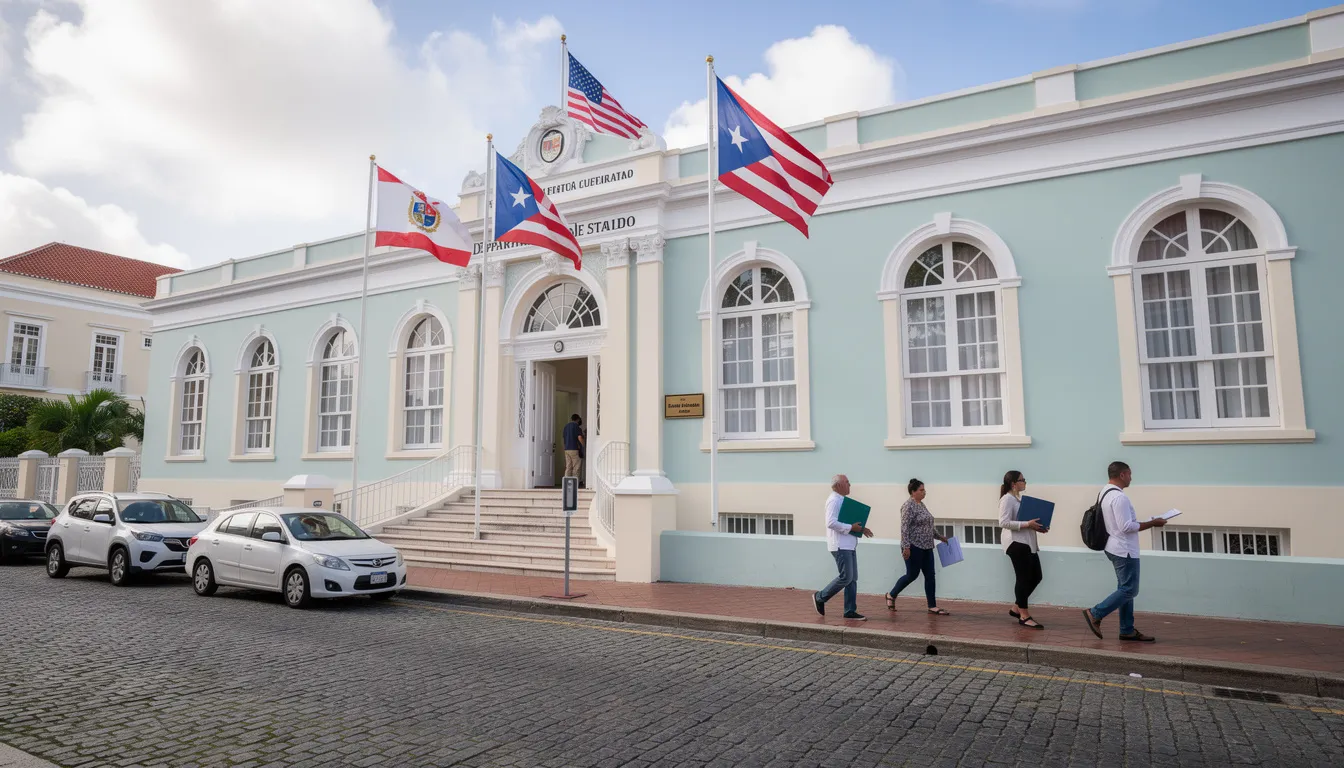
Puerto Rico’s participation in the Hague Convention framework means that documents issued by Puerto Rico authorities or notarized by Puerto Rico notaries can receive official authentication for international use. The puerto rico secretary of state serves as the competent authority responsible for issuing apostilles, operating independently from U.S. state secretaries of state.
The apostille certification differs significantly from Certificates of Good Standing used for domestic U.S. purposes. While a Certificate of Good Standing verifies a notary’s authorization within the United States, an apostille authenticates documents specifically for foreign country acceptance. This distinction becomes crucial when determining which type of authentication your documents require.
The apostille process verifies three critical elements: the authenticity of signatures on public documents, the official capacity in which the person signed the document, and where applicable, the seal or stamp affixed to the document. Importantly, the apostille does not validate the content of the document itself – it simply confirms the legitimacy of the public official’s authentication.
Puerto Rico Apostille Process
The apostille process begins when you submit your original documents to the appropriate Puerto Rico institution for authentication. The puerto rico secretary of state in san juan serves as the primary authority for most apostille requests, though specific document types may require initial processing through other government departments.
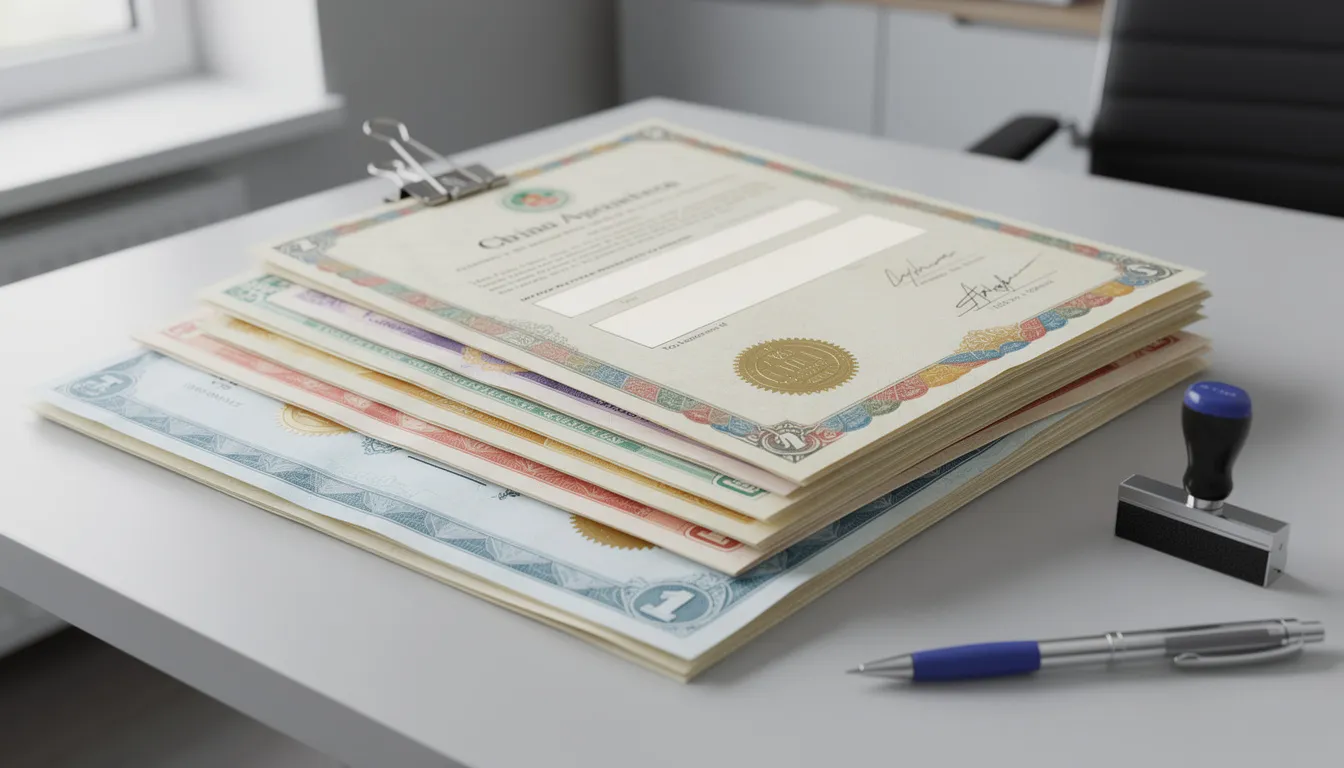
Your documents undergo a systematic verification process where authorized officials examine signatures, stamps, and seals against registered samples in government databases. Once verification is complete, the apostille stamp is placed either on the back of your original document or on a separate attached page, depending on the document type and available space.
The apostille certification contains standardized information including the country of origin (Puerto Rico), the name and capacity of the person who signed the document, the name of the institution that affixed the seal or stamp, and the place and date of certification. This standardized format ensures consistent recognition across all hague convention countries.
Document authentication follows strict procedural requirements established by Puerto Rico’s department of state. Each document requires a $3.00 internal revenue stamp, known as a “sello de rentas internas,” which must be purchased from authorized vendors and properly affixed to your apostille request. This fiscal requirement applies to each individual document submitted for authentication.
For applicants outside Puerto Rico, the request process operates entirely through mail submission. The department of state requires that remote applicants ship their original documents to san juan for processing, then receive the apostilled documents back via postal or courier service. This mail-based system accommodates the significant Puerto Rican diaspora living throughout the mainland United States and internationally.
Document Requirements for Puerto Rico Apostille
Original Document Standards
Puerto Rico authorities maintain strict standards regarding document condition and authenticity for apostille processing. Only original documents issued by authorized Puerto Rico institutions or certified copies bearing official signatures and seals are accepted for authentication. Photocopies, scanned documents, or notarized copies of vital records will be rejected without processing.
Your documents must be in excellent physical condition without tears, stains, foreign markings, or unauthorized alterations. All signatures, official stamps, and seals must be clearly visible and readable, as illegible markings can result in processing delays or outright rejection. Documents bearing unauthorized labels, sticky notes, or markings from foreign institutions cannot receive apostille certification.
The freshness of documents varies by type and intended use. While the department of state doesn’t specify universal time limits, private apostille services often require vital records to be issued within six months to five years of the submission date, depending on destination country requirements. This conservative approach helps prevent rejections by foreign authorities who may impose their own document age restrictions.
For public deeds and notarial instruments, you must present a certified copy duly issued by the notary public with corresponding stamps properly cancelled. These certified copies serve as the “original” for apostille purposes, as the actual notarial protocol remains in the notary’s possession. The certified copy must bear the notary’s signature and official seal to be eligible for authentication.
Language and Translation Requirements
Puerto Rico issues apostilles for documents in both English and Spanish, reflecting the territory’s bilingual legal system. However, translation requirements depend entirely on your destination country’s regulations and the specific purpose for which you’re using the documents.
Many foreign countries require certified translation of apostilled documents before they can be used in official proceedings. The apostille process typically occurs first on the original Puerto Rico document, followed by certified translation services if required. Some destination countries accept translations prepared by certified translators, while others require translations to be notarized or authenticated through additional steps.
When translation is necessary, ensure that your translator is certified and familiar with legal and official document terminology. The translation quality must meet the standards expected by the foreign country’s institutions, as poor translations can result in document rejection even when the underlying apostille is valid.
Types of Documents Eligible for Puerto Rico Apostille
Personal Documents
Birth certificates issued by the Puerto Rico Department of Health represent the most common type of personal document requiring apostille authentication. These vital records must be original certified copies bearing the official signature and seal of the vital records authority – they cannot be notarized to enhance their validity for apostille purposes.
Marriage certificates and divorce and death certificates from Puerto Rico courts or vital records offices frequently require apostille certification for international marriage proceedings, inheritance matters, or immigration applications. Death certificates specifically must be obtained from the appropriate registrar with official certification, not from funeral homes or other third-party sources.
Educational credentials including diplomas and transcripts from Puerto Rico institutions require a two-step authentication process. Academic documents must first be signed and certified by the school registrar, then notarized by a puerto rico notary public before becoming eligible for apostille processing. This dual authentication ensures that foreign educational institutions can verify both the academic credentials and the authenticity of the certifying authority.
Divorce decrees and court judgments require certification by the appropriate court clerk before apostille processing. These legal documents often need authentication for remarriage abroad, child custody matters, or property transactions in foreign countries. The court clerk’s signature and official seal provide the public official authentication that the apostille process verifies.
Business and Legal Documents
Commercial documents represent a significant portion of Puerto Rico apostille requests, driven by the island’s role as a manufacturing and business hub. Articles of incorporation and business registration documents require hand-signed certified copies issued by the puerto rico secretary of state’s Corporations Division before apostille authentication can proceed.
Business bylaws, certificates of good standing, and corporate resolutions often need apostille certification for international banking, subsidiary establishment, or compliance with foreign business regulations. These corporate documents must bear original signatures from authorized company officials and be properly notarized by a puerto rico notary before submission for apostille.
Power of attorney documents executed before Puerto Rico notaries frequently require apostille authentication for international real estate transactions, business operations, or personal matters conducted abroad. The civil-law notarial system in Puerto Rico provides a strong foundation for these legal instruments, which foreign authorities readily accept when properly apostilled.
Commercial invoices, certificates of origin, and certificates of free sale require apostille certification for international trade and export activities. These commercial documents must be notarized first, then apostilled to satisfy foreign customs authorities and regulatory agencies in the destination country.
Federal Documents and FBI Background Checks
FBI background checks and other federal documents present unique processing requirements within the Puerto Rico apostille framework. While Puerto Rico issues apostilles for documents originating within its territorial jurisdiction, federal documents must be processed through U.S. Department of State channels in Washington, D.C.
The processing time for federal document apostilles typically extends to 9 business days due to the additional federal agency coordination required. This longer timeframe reflects the need for documents to move through federal authentication channels before receiving final apostille certification.
Federal documents commonly requiring apostille authentication include FBI criminal background checks for immigration purposes, USCIS notices and certificates, IRS forms and tax documentation, and Social Security Administration records. These documents serve crucial roles in international immigration, employment, and business applications.
Private apostille services often handle federal document processing as part of comprehensive authentication packages, coordinating both Puerto Rico territorial and federal document apostilles for clients who need multiple types of authentication for the same international transaction.
Processing Times and Service Fees
Standard processing for Puerto Rico apostilles typically requires 9-14 business days from submission to completion. This timeframe reflects the manual verification process required to authenticate signatures and seals against government databases, plus the time needed for document handling and apostille stamp application.
Expedited processing options are available through specialized apostille services that maintain direct relationships with the puerto rico department of state. Same-day and next-day processing can be arranged for urgent situations, though expedite fees significantly increase the total cost of authentication.
The base government fee for each apostille includes the $3.00 internal revenue stamp plus any applicable processing fees charged by the department of state. However, this represents only a fraction of the total cost when using private apostille services, which typically charge $50-$100 or more per document for their coordination and logistics services.

Federal documents require the longest processing time at 9 business days minimum due to coordination with federal agencies. This extended timeframe cannot typically be expedited beyond the federal government’s standard processing schedules, making advance planning essential for federal document authentication.
Additional costs may include notary public fees for documents requiring notarization before apostille, certified copy fees for obtaining proper source documents, and shipping costs for remote submission and return of documents. Translation services, when required, add further expense to the total authentication cost.
The processing time can vary based on several factors including document volume at the department of state, seasonal demand fluctuations, and the complexity of signature verification required. During peak periods, such as summer months when many people prepare for international travel or academic year starts, processing times may extend beyond standard estimates.
Frequently Asked Questions
Can I get an apostille for a photocopy of my Puerto Rico birth certificate?
No, photocopies and scanned documents cannot receive apostille certification. You must submit the original birth certificate or a certified copy duly issued by the Puerto Rico Department of Health’s Demographic Registry. The apostille process specifically authenticates the signature of the public official who certified the document, which is not present on photocopies. Using unauthorized copies will delay your application and may result in rejection by foreign authorities.
What’s the difference between a Puerto Rico apostille and a Certificate of Good Standing?
A Puerto Rico apostille authenticates puerto rico documents for use in foreign countries that recognize the Hague Convention, while a Certificate of Good Standing verifies a notary’s authorization status within the United States. The apostille process involves international document authentication for use abroad, whereas Certificates of Good Standing are domestic verifications often required when Puerto Rico needs to confirm notary authority on documents from other U.S. states. Choose apostille certification when your destination is a foreign country and Certificate of Good Standing for domestic U.S. verification purposes.
How long does it take to get an apostille for FBI background checks from Puerto Rico?
FBI background checks require federal processing through the U.S. Department of State rather than Puerto Rico’s department of state, resulting in a minimum 9 business days processing time. This extended timeframe reflects additional coordination required between federal agencies before apostille certification can be completed. The processing cannot typically be expedited beyond federal government standard schedules, so plan accordingly for applications requiring FBI background check authentication.
Do I need to translate my Puerto Rico document before getting an apostille?
Translation requirements depend on your destination country’s regulations rather than Puerto Rico’s apostille process. Puerto Rico issues apostilles for documents in English or Spanish without requiring translation first. However, many foreign countries require certified translation before accepting apostilled documents for official use. The recommended sequence is to obtain the apostille on your original Puerto Rico document first, then arrange for certified translation if required by your destination country.
Can damaged or altered documents receive a Puerto Rico apostille?
Documents with tears, stains, foreign markings, or unauthorized alterations cannot receive apostille certification. All signatures, stamps, and seals must be clearly visible and readable for proper authentication. If your document is damaged or has been altered, you must obtain a new certified copy from the original issuing agency before submitting for apostille processing. The strict document condition requirements ensure that foreign authorities can properly verify the authenticity of the authentication.
