

Key Takeaways
- Contact your birth state’s vital records office for certificates if born in the U.S., or the U.S. embassy/consulate for births abroad
- Order online through authorized vendors like VitalChek for faster processing (typically 3-5 business days)
- Birth certificate costs range from $10-30 depending on state, with additional fees for expedited service
- You’ll need valid photo ID and may need to provide relationship proof when ordering for someone else
- Alternative methods include in-person visits to vital records offices or mail-in requests with notarized applications
Whether you need a birth certificate for passport applications, school enrollment, obtaining a driver’s license, or employment verification, knowing where to get this essential document can save you time and frustration. A birth certificate serves as your fundamental proof of birth, citizenship, and identity in countless official situations.
The process of obtaining a certified birth certificate varies significantly depending on where you were born, but understanding the main channels available will help you choose the most efficient path. This comprehensive guide covers everything from vital records offices to online vendors, costs to processing times, ensuring you can access this critical document when you need it most.

Primary Methods to Obtain Birth Certificates
Three main options exist for obtaining a certified copy of your birth certificate, each suited to different circumstances and urgency levels. Understanding these methods upfront will help you determine the best approach for your specific situation.
Vital Records Office: The traditional route involves contacting your birth state or territory’s vital records department directly, or, for example, if you need a Mexico Birth Certificate, the appropriate Mexican authorities. This method typically offers the most comprehensive services and handles special circumstances, though processing times can be longer for mail requests.
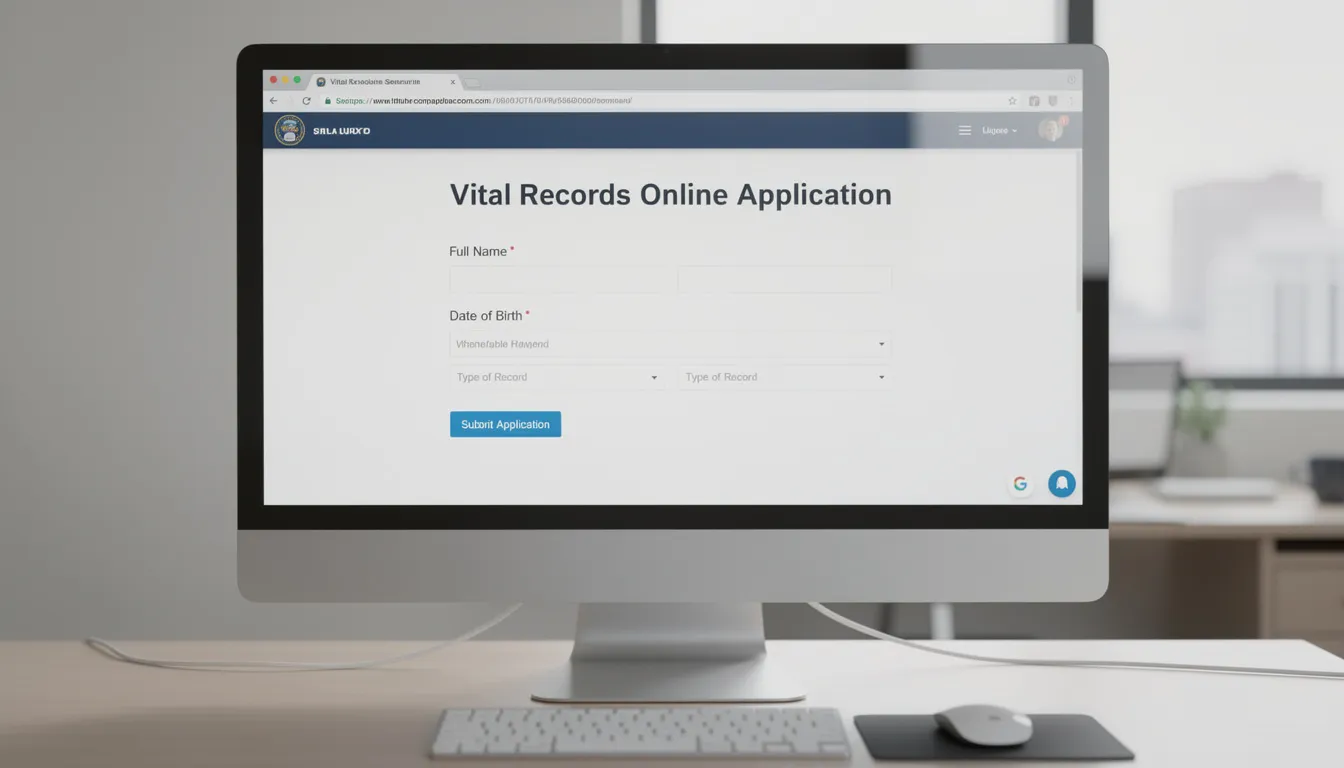
Online Ordering: Most states now partner with authorized online vendors to streamline the request process. This option provides the fastest turnaround time, usually 3-5 business days, though convenience fees apply.
Embassy/Consulate Services: For U.S. citizens born abroad, American embassies and consulates maintain Consular Reports of Birth Abroad (CRBA) and can provide certified copies.
Processing times vary considerably: online orders typically process within 3-5 days, mail-in applications take 2-4 weeks, and in-person visits often provide same-day or next-day service. The method you choose should align with your timeline and location constraints.
Regardless of which method you select, you’ll need the same basic information: the person’s full name at birth, date of birth, place of birth (city and state), and parents’ full names. Having this information ready before you start will ensure a smoother application process.
Born in the United States: Vital Records Office Process
If you were born anywhere in the United States, including Washington D.C. and U.S. territories, your birth was registered with that state or territory’s vital records system. Each state maintains its own office of vital statistics, and you must contact the office where your birth occurred rather than where you currently live.
Locating Your Vital Records Office: Start by identifying the state where you were born. Large cities like New York City and Chicago often maintain their own vital records departments separate from their state systems, so births within city limits require contacting the city health department rather than the state office.
State-Specific Processing Times: Processing varies significantly by location. California typically takes 15-20 business days for mail requests, while Texas processes applications in 5-10 business days. Smaller states often have faster turnaround times due to lower volume, but it’s wise to plan for at least two weeks when requesting by mail.
Required Documentation: Every vital records office requires proof of identity from the person making the request. Acceptable identification includes a driver’s license, state-issued ID card, passport, or military ID. If you’re ordering for a family member, you’ll need additional documentation proving your relationship, such as a marriage certificate for spouses or your own birth certificate when ordering for parents.
Special Procedures for Territories: Births in Puerto Rico, U.S. Virgin Islands, Guam, and other territories follow the same general process but may have unique requirements. Puerto Rico, for example, requires all applications to include a copy of a valid photo ID and processes requests through the Demographic Registry rather than a health department. For information on how to obtain a birth certificate such as San Francisco, refer to local guidelines.
If you don’t know your exact birth location or the hospital where you were born, contact the state vital records office for the state where you believe you were born. Most offices can search their records using your name, approximate birth date, and parents’ names, though search fees may apply even if no record is found.

U.S. Citizens Born Abroad: Consular Report of Birth Abroad (CRBA)
U.S. citizens born outside the United States require different documentation than those born domestically. The primary document proving your U.S. citizenship if born abroad is the Consular Report of Birth Abroad (CRBA), issued by U.S. embassies and consulates.
Obtaining CRBA Copies: To request a certified copy of your CRBA, contact the U.S. embassy or consulate in the country where you were born. Your parents must have registered your birth with U.S. authorities at the time of birth for a CRBA to exist. If they failed to register your birth, you cannot obtain a CRBA retroactively.
Alternative Documentation: If no CRBA was filed, you may be eligible to apply for a Certificate of Citizenship through U.S. Citizenship and Immigration Services (USCIS). This process requires proving your parents’ U.S. citizenship status and your relationship to them through various documents including their birth certificates, marriage certificate, and evidence of their physical presence in the United States.
Processing Times and Costs: CRBA copy requests typically take 4-6 weeks for routine service, though processing times vary significantly by country and local embassy workload. Rush processing may be available for additional fees, and some embassies offer expedited services for travelers with urgent needs.
Passport Alternative: If obtaining a CRBA proves difficult or time-consuming, remember that a U.S. passport serves as acceptable proof of citizenship for most domestic purposes. Passport applications for citizens born abroad require different documentation but may be processed faster than CRBA requests in some circumstances.
Contact the specific embassy or consulate where your birth was registered rather than your current country of residence, as records remain with the issuing office. The State Department’s website provides complete contact information and specific procedures for each embassy worldwide.
Online Ordering Through Authorized Vendors
Most states have embraced online ordering to streamline birth certificate requests, typically partnering with authorized vendors who process applications on behalf of vital records offices. For those needing to authenticate their birth certificate for international use, there are top online apostille services for birth certificates that can further simplify the process. This method offers the fastest processing times and greatest convenience for standard requests.
VitalChek as Primary Vendor: VitalChek serves as the authorized online vendor for most U.S. states, providing a secure platform that verifies your identity and forwards your request to the appropriate vital records office. The company has contracts with over 40 states and processes millions of vital records requests annually.
State-Specific Online Portals: Some states maintain their own online systems. California operates its own online portal through the Department of Public Health, while Texas provides online ordering through its own secure website. These state-run systems often have lower fees than third-party vendors.
Security Features and Identity Verification: Legitimate online vendors use multiple security measures including SSL encryption, identity verification through knowledge-based questions about your credit history or past addresses, and secure payment processing. You may need to answer questions about previous addresses, loan amounts, or family members to verify your identity.
Additional Convenience Fees: Online vendors typically charge convenience fees ranging from $8-15 on top of the state’s base certificate fee. While this increases the total cost, the faster processing time and convenience often justify the additional expense, especially for urgent requests.
Avoiding Fraudulent Websites: Be cautious of unofficial websites that claim to provide birth certificates but charge excessive fees or cannot deliver certified copies. Only use vendors explicitly authorized by your birth state’s vital records office, which you can verify by checking the state’s official website for approved online ordering partners.
In-Person and Mail Request Options
Traditional in-person visits and mail-in applications remain viable options, particularly for complex situations or when you prefer direct interaction with government offices. These methods also provide alternatives when online ordering isn’t available or suitable.
Benefits of In-Person Visits: Visiting your vital records office in person offers several advantages: same-day service in most cases, direct assistance from staff who can help with complex situations, and no shipping delays or concerns about mail security. Office staff can also verify your documents on the spot and resolve any issues immediately.
Required Documents for In-Person Requests: Bring a valid government-issued photo ID such as a driver’s license, state ID, passport, or military ID. You’ll also need to complete an application form, which is usually available at the office or can be downloaded and filled out beforehand to save time. If requesting a certificate for someone else, bring proof of your relationship to that person.
Mail-In Process Details: Mail applications require downloading the appropriate form from your vital records office website, completing it entirely, and including all required documentation. Most offices require notarized signatures for mail applications to prevent fraud. Send your application via certified mail to ensure delivery and maintain a record of your submission.
Acceptable Payment Methods: Payment options vary by office and request method. In-person visits typically accept cash, money orders, and sometimes credit cards. Mail applications usually require money orders or cashier’s checks, as personal checks may not be accepted. Online orders generally accept credit cards and sometimes electronic bank transfers.
Office Hours and Locations: Most vital records offices operate Monday through Friday from 8:00 AM to 4:30 PM, though hours may vary. Some large cities operate satellite offices for convenience, while rural areas may have limited hours or operate by appointment only. Check your specific office’s website for current hours, location, and any special procedures such as appointment requirements.
Required Documentation and Identification
Understanding identification requirements prevents delays and ensures your application gets processed correctly. Documentation needs vary depending on who is requesting the certificate and their relationship to the person named on the record.
Primary Identification Requirements: The person named on the certificate can request their own birth certificate by providing one form of government-issued photo identification. Acceptable forms include a current driver’s license, state-issued non-driver ID card, valid passport, or military ID card. The identification must be current and clearly legible.
Proof of Relationship for Family Members: When requesting a birth certificate for someone else, you must prove your relationship to that person. Spouses need a marriage certificate, parents can use their own identification if their names appear on the child’s birth record, and adult children need court documents, power of attorney, or notarized authorization from the person.
Alternative Identification Options: If you’ve lost all forms of primary identification, some offices accept alternative documentation combinations. Two forms of secondary identification might include utility bills, employment records, bank statements, or sworn affidavits from family members who can attest to your identity. These alternative methods usually require additional verification steps and longer processing times.
Additional Requirements for Adoptees: Adoptees may need court orders or specific forms to access either their original birth certificate or amended version. Many states have different rules for adult adoptees versus minor adoptees, and some require going through the court that handled the adoption rather than the vital records office directly. For adoptees who need their documents legalized for use in Ethiopia, fast & reliable Ethiopia legalization services are available.
The key is gathering all required documents before submitting your application. Missing or inadequate documentation is the most common reason for delayed processing or rejected applications, so take time to verify requirements with your specific vital records office.
Special Situations and Circumstances
Certain circumstances require modified procedures or additional steps to obtain a birth certificate. Understanding these special situations helps you navigate the process more effectively and avoid unnecessary delays.
Lost All Identification Documents: If you’ve lost your driver’s license, passport, and other forms of ID, start by requesting a replacement social security card, which typically requires less documentation. Use your social security card along with alternative forms of identification like utility bills or employment records to begin rebuilding your identity documents gradually.
Name Changes Due to Marriage or Divorce: When your current legal name differs from the name on your birth certificate, you’ll need to provide documentation of all name changes. This typically includes marriage certificates, divorce decrees, or court orders for legal name changes. Some offices require certified copies of these documents rather than photocopies.
Birth Before 1910: Very old birth records may require special procedures, as systematic birth registration wasn’t universal in all states until the early 20th century. You may need to contact state archives, genealogical societies, or county clerk offices that maintain historical records. Church records, census data, or family bibles sometimes serve as alternative proof of birth for very old cases.
Delayed Birth Registration: If your birth was never officially registered, you’ll need to file for delayed birth registration. This process typically requires gathering evidence such as hospital records, baptismal certificates, school records, or affidavits from family members who can attest to the circumstances of your birth. The process often involves court proceedings and can take several months.
Court-Sealed Records: Adoption records and certain other situations may result in sealed birth records that require court orders to access. Contact the court that handled your case or consult with an attorney who specializes in adoption or family law to understand your options for accessing sealed records.
Costs and Processing Times
Understanding the financial investment and time commitment required for obtaining birth certificates helps you plan appropriately and choose the most cost-effective method for your situation.
Standard Fees by State: Birth certificate fees vary significantly across states, ranging from $10 in Mississippi to $30 in New York City. Most states charge between $15-25 for a certified copy. Texas charges $23, California charges $25, and Florida charges $9 for the first copy with additional copies costing less when ordered simultaneously.
Expedited Service Options: Most vital records offices offer rush processing for urgent situations. Expedited service typically adds $10-25 to the base fee and reduces processing time to 3-5 business days. Overnight delivery services add another $15-30 but ensure you receive your certificate quickly once processing is complete.
Multiple Copy Discounts: Ordering multiple copies simultaneously often provides cost savings. Additional copies typically cost $5-10 each when ordered together, compared to paying full price for separate orders. Consider ordering extra copies if you anticipate needing them for multiple purposes like passport applications and school enrollment.
Payment Methods Accepted: In-person visits usually accept the widest variety of payment methods including cash, credit cards, and money orders. Mail applications typically require money orders or cashier’s checks to prevent fraud and processing issues. Online orders generally accept major credit cards and may offer electronic bank transfers.
Processing Timeline Comparison: Routine mail service typically takes 2-4 weeks from the time your application is received and processed. Expedited service reduces this to 3-5 business days. In-person visits often provide same-day service if you arrive early and have all required documentation. Online orders through authorized vendors usually process within 3-5 business days plus shipping time.
Plan for potential delays during peak periods such as summer months when many people apply for passports, back-to-school seasons, and after natural disasters that may have affected vital records offices in your area.
Frequently Asked Questions
Can I get a birth certificate for someone else?
Yes, but you must prove your relationship through documents like marriage certificates, court orders, or power of attorney. Parents can always request certificates for minor children without additional authorization. Adult children need notarized authorization from the person named on the certificate or proof of legal authority such as guardianship papers. Spouses can typically order for each other by providing a marriage certificate, while other family members may need court documentation or notarized permission.
What if I was born at home or the hospital no longer exists?
Birth certificates are issued by state vital records offices, not hospitals, so the location where you were born doesn’t affect your ability to obtain a certificate. Home births should have been registered with the state within 30 days of birth according to most state laws. If no record exists because your birth was never registered, you may need to file for delayed birth registration with supporting evidence such as baptismal records, early school records, or affidavits from family members who can verify the circumstances of your birth.
How long are birth certificates valid?
Birth certificates never expire since the facts they record don’t change, but some agencies require recent copies issued within the last 6-12 months for security reasons. Passport applications typically accept any certified copy regardless of when it was issued, while some employers or schools may prefer recently issued copies. Check the specific requirements with the agency requesting your birth certificate to determine if you need a new copy or if an older certified copy will suffice.
What’s the difference between certified and non-certified copies?
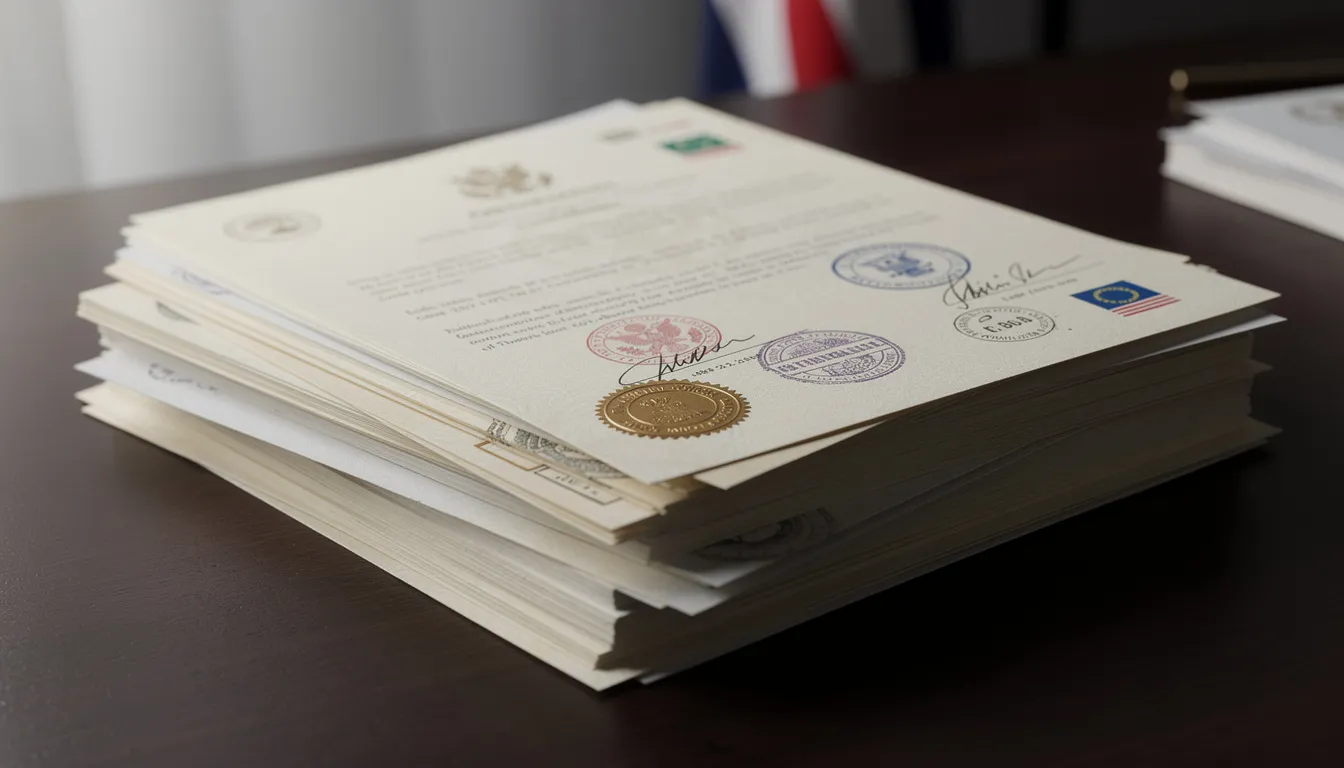
Certified copies bear official seals, raised stamps, and signatures that make them legally acceptable for official purposes like passport applications, driver’s license renewals, and school enrollment. These copies are printed on special security paper with features like watermarks to prevent counterfeiting. Non-certified copies are for informational purposes only and lack the security features required for legal use. All copies ordered from official vital records offices are automatically certified unless you specifically request an informational copy for genealogy research.
Can I get a birth certificate if I don’t know my exact birth date?
Yes, most vital records offices can search their records using approximate dates, but you’ll need to provide additional identifying information and may face higher search fees. Some states allow searches within a 1-2 year period for an additional cost, typically $10-20 above the standard certificate fee. Parents’ full names, the city where you were born, and any other identifying details become critical for locating your record. If multiple records match your search criteria, you may need to provide additional information to identify the correct certificate.
