

Key Takeaways
- You can order a birth certificate from the vital records office in the state or city where you were born, typically online, by mail, or in person.
- U.S. citizens born abroad must request a Consular Report of Birth Abroad (CRBA) from the U.S. Department of State, not from a state office.
- You will need a valid ID (such as a driver’s license or passport), basic birth details (full name, date of birth, city or county of birth), and a filing fee that varies by state and method.
- If you have lost all your IDs, many states offer alternative identity verification methods, though the process may be slower and require notarized forms or supporting documentation.
- Standard mail orders typically take 2–6 weeks in most states, while online express options can arrive in 3–10 business days for an additional fee.
Where to Order Your Birth Certificate (Step-by-Step Overview)
The process for ordering your birth certificate depends entirely on where you were born: inside the United States, in a U.S. territory, or abroad as a U.S. citizen. Understanding your specific situation will help you avoid delays and ensure you contact the correct government agency.
Here is a quick step-by-step overview to get started:
- Step 1: Identify your birth location (state, U.S. territory, or foreign country)
- Step 2: Locate the correct vital records office or federal agency that holds your birth record
- Step 3: Choose your ordering method (order online, by mail, or in person)
Every U.S. state and territory maintains an official vital records office, usually operating under the department of health or state registrar’s office. These offices are the only guaranteed sources for obtaining a certified birth certificate that will be accepted for legal purposes.
Many states link directly to an approved online vendor from their official .gov website. Always start at an official government site to verify you are using an authorized service. Third-party websites that are not officially partnered with the state may charge higher fees or cause unnecessary delays.
If you were adopted in one state but born in another, you must typically request your birth certificate from the state where the birth occurred. Access to original pre-adoption records may be restricted or require a court order depending on state laws.
Born in the U.S.: How to Order a Certified Birth Certificate
This section applies to anyone born in any of the 50 states, the District of Columbia, or U.S. territories such as Puerto Rico, Guam, U.S. Virgin Islands, and Northern Mariana Islands.
To complete your request, most state vital records offices require the following information:
| Required Information | Details |
| Full legal name at birth | Exactly as it appears on the original document |
| Date of birth | Month, day, and year |
| City and county of birth | Where the birth occurred |
| Parents’ full names | Mother’s maiden name and father’s name as listed |
| Your relationship to the person named | Self, parent, legal guardian, etc. |
Ordering Methods
Online ordering is typically the fastest and most convenient option. Many states partner with services like VitalChek, which processes orders for over 450 government agencies. You can complete a secure web form in 5–10 minutes, upload identification, and pay by credit or debit card. Expedited service options can reduce delivery time significantly.
Mail orders work well for those who prefer not to submit information online. You will need to download and print the official application form, include a photocopy of your ID, and send a check or money order payable to the appropriate state agency. Standard mail processing in states like Texas takes 25–30 business days.
In-person requests offer the possibility of same-day service at local offices. For example, Florida’s Bureau of Vital Statistics in Jacksonville accepts walk-in requests Monday through Friday. Hidalgo County in Texas charges $23 per certified copy for in-person requests at their Justice of the Peace office. For those interested in international document authentication, you can review recent updates to Australia’s visa apostille process.
Identification Requirements
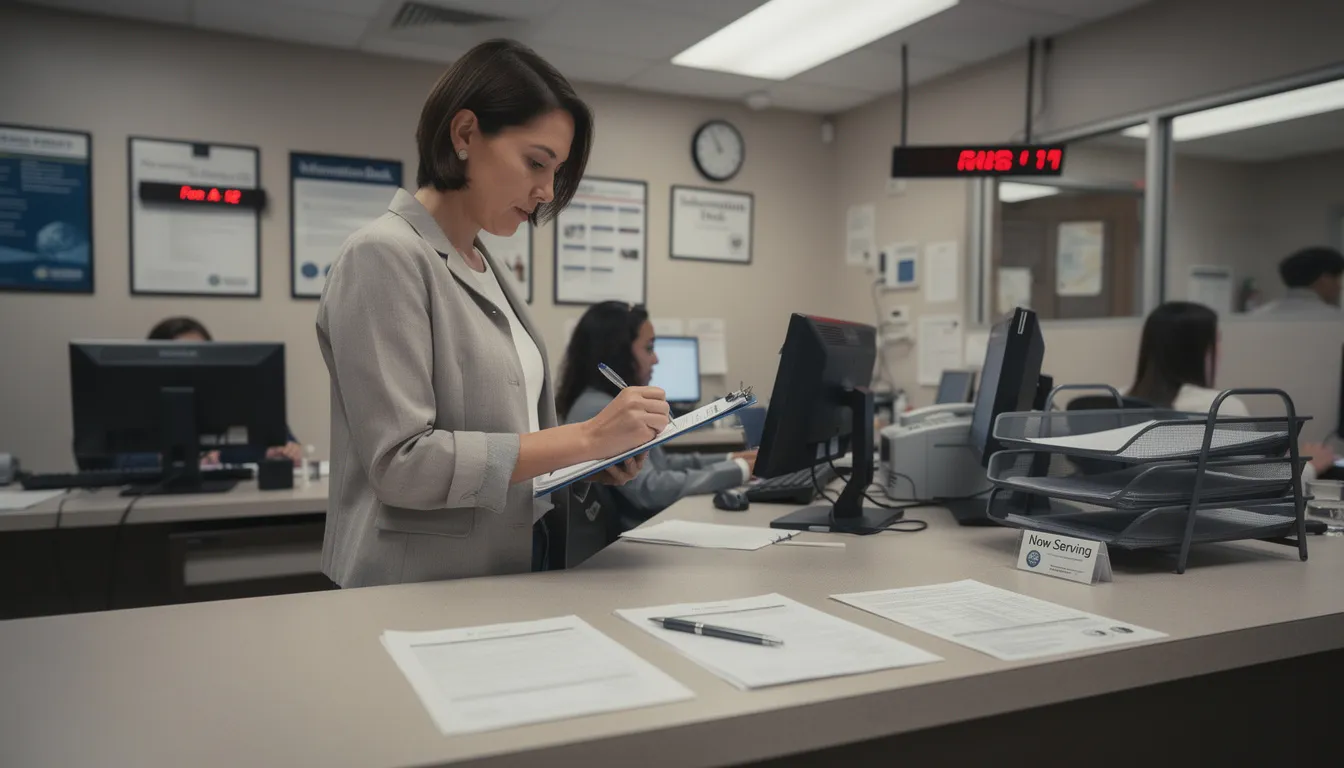
You must typically provide a copy of a government-issued photo ID such as:
- Driver’s license or state ID
- U.S. passport
- Military ID
Some states accept photocopies by mail if both sides are clearly legible. Others may require notarized copies for added security.
A certified copy is essential for legal purposes including passport applications, Real ID driver’s license enrollment, school registration, and Social Security benefits. Non-certified “informational” copies, where available, cannot be used for identity verification and are typically marked as such.
U.S. Citizen Born Abroad: Ordering a Consular Report of Birth Abroad (CRBA)
U.S. citizens born outside the United States whose birth was reported to a U.S. embassy or consulate typically have a Consular Report of Birth Abroad (Form FS-240) instead of a state-issued birth certificate. This document serves as official proof of U.S. citizenship and birth details.
Replacement or additional CRBA copies must be ordered through the U.S. Department of State, not through any state vital records office. You will need to submit a specific application form along with the required fee to the designated federal mailing address.
To request a CRBA, applicants generally need to provide:
- The individual’s full name at birth
- Date and place of birth (city and country)
- Names of U.S. citizen parent or parents
- Any previous CRBA or passport details if known
If your parents never registered your birth with a U.S. embassy or consulate, you may need to work directly with the embassy, consulate, or an immigration attorney. Documenting U.S. citizenship in these cases often requires alternative evidence such as parent documentation and other supporting records.
A CRBA is accepted for most identity and citizenship purposes in the same way as a U.S. birth certificate. You can use it when applying for a U.S. passport, proving eligibility for federal benefits, or establishing your identity for employment purposes.
Ordering Through Official Online Services and Approved Vendors
Many jurisdictions provide an official online ordering system or partner with a single authorized vendor. Using unauthorized third-party sites can result in extra fees, delays, or even fraud.
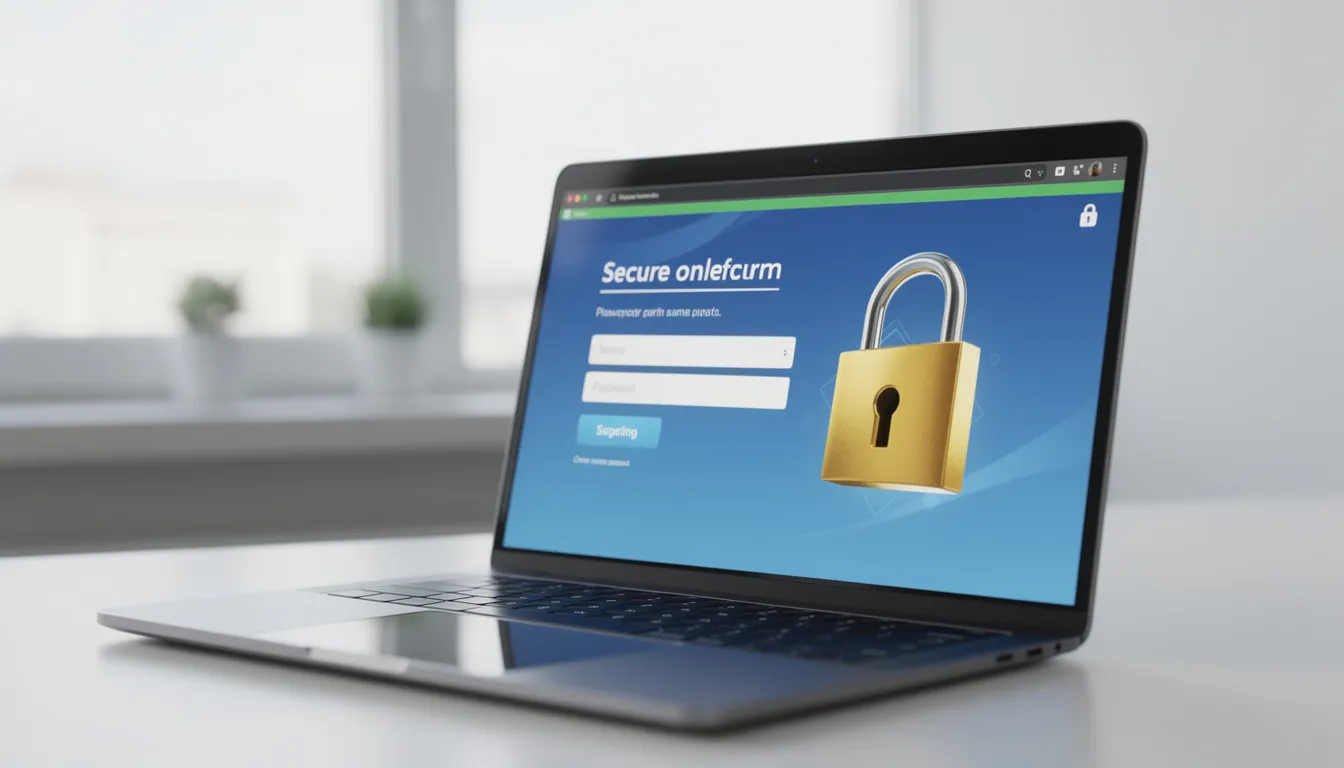
An official online portal is typically linked directly from a .gov website, such as a state department of health page. The site will clearly state that it is the authorized system for vital statistics and vital records requests.
Concrete example: New York City Health Department only issues birth certificates for births that occurred in the five boroughs (Manhattan, Brooklyn, Queens, The Bronx, and Staten Island). Online orders are directed through their single approved vendor. Any other website charging to “get an NYC birth certificate” may not be authorized and should be avoided.
Typical Steps for an Online Application
- Visit your state’s official vital records website (or, for international use, review requirements for an apostille in Texas)
- Complete the secure web form with personal data (name, date, parents’ names, etc.)
- Upload or enter ID information for identity verification
- Pay by credit or debit card
- Choose standard or expedited delivery options
Reputable services often provide tracking numbers or order status checks, allowing you to verify when your certificate is printed and shipped. Rush shipping may cost significantly more but can reduce wait times to just 3–5 business days in many cases.
VitalChek orders, for instance, include electronic identity validation through LexisNexis and expert review to reduce errors and achieve near-100% first-try success rates.
Ordering by Mail or In Person: Forms, Fees, and Processing Times
Mail and in-person orders remain widely available and may be preferable for people who do not want to submit information online or who do not have a credit card. Both methods are accepted by virtually every state vital records office.
Mail Orders
To order by mail, download and print the official application form from your state or city vital records website. Common form names include “Application for Certified Copy of Birth Record” or state-specific codes like DH726 in Florida.
Before mailing, verify the following on your form:
| Checklist Item | What to Confirm |
| Eligible requesters | Are you authorized to request this record? |
| Acceptable IDs | What type of ID copy is required? |
| Fee amounts | Cost for first copy and additional copies |
| Rush processing | Is expedited service available and at what cost? |
| Mailing address | Correct address for the vital records office |
Many offices require:
- A completed, signed form
- A photocopy of your ID (front and back)
- A check or money order payable to the state agency (never send cash)
- In some cases, a self-addressed stamped envelope
Some states suggest writing “RUSH” on the outer envelope for expedited handling if you have paid for rush service.
In-Person Visits
For walk-in requests, bring the following:
- Original government-issued photo ID
- Completed application form (or fill one out at the counter)
- Payment in accepted forms (cash, card, or money order depending on the office)
Be prepared for lobby or window hours that typically fall on normal business days. Some offices require an appointment, while others operate on a first-come, first-served basis.

Processing Times
| Method | Typical Processing Time |
| In-person | Same day to 1–2 days |
| Online with standard shipping | 2–4 weeks |
| Online with expedited service | 3–10 business days |
| Mail (standard) | 2–6 weeks |
| Mail with rush processing | 2–4 weeks |
In Texas, standard mail orders through DSHS take 25–30 business days, with rush processing reducing this to 20–25 days for an additional $13 fee plus overnight delivery costs.
What If You Lost All Your IDs? Rebuilding Identity to Get a Birth Certificate
Many people first realize they need a birth certificate when they have already lost their driver’s license, Social Security card, or other primary identification. This creates a frustrating situation, but there are solutions.
State vital records offices usually publish alternative identity verification options on their websites. Common alternatives include presenting two or more secondary documents in place of a single photo ID:
- School transcript or diploma
- Utility bill in your name
- Health insurance card
- Bank statement
- Employment ID badge
Some states allow applicants without ID to have their signatures notarized on the application form. Others accept a sworn statement from a close relative (such as a parent, adult child, or spouse) who can prove their own identity and verify your relationship.
Strategic approach: In some states, it may be easier to first replace a state ID or driver’s license using other records like a Social Security card or passport, then use that new ID to request the birth certificate. Check both your state DMV and vital records guidelines to determine the most efficient path.
People experiencing homelessness, domestic violence survivors, and recently incarcerated individuals may have access to fee waivers or assistance programs. Contact local social service agencies or legal aid organizations to learn about available resources. In Texas, military personnel with deployment orders receive fee exemptions when presenting their documentation.
Common Requirements and Tips to Avoid Delays
Small mistakes are the main cause of delays in birth certificate orders. Careful preparation can significantly speed up the process and help you avoid frustration.
Details to Double-Check Before Submitting
- Spelling of all names (especially maiden names)
- Exact date of birth (verify month, day, and year)
- Correct city and county where birth occurred
- Current mailing address for delivery
- Accurate contact information (phone and email)
If you also need to authenticate your marriage certificate for international use, review the top reasons to apostille your marriage certificate to ensure legal validity abroad.
Eligibility Verification
Confirm that you are an eligible requester under your state’s privacy laws. In many states, recent birth records (within 75 years in Texas, for example) are protected and access is restricted to:
- The person named on the certificate
- A parent listed on the record
- A legal guardian with documentation
- Someone with a court order
- A spouse or adult child (in some states)
Attempting to order a record you are not eligible to receive will result in rejection and potential loss of fees.
Fee Planning
Fees are usually nonrefundable once the search is conducted, even if no record is found. For those seeking to apostille their FBI background check, refer to a comprehensive checklist for apostilling your FBI background check to ensure no key steps or documents are missed. Verify the correct year and place of birth before applying to avoid wasting money. Most states charge between $15–30 per certified copy, with additional fees for rush processing and expedited delivery.
Record-Keeping Best Practices
- Keep copies of everything submitted (forms, ID copies, check stubs, money order receipt)
- Use trackable mail for time-sensitive requests
- Note confirmation numbers or tracking codes from online orders
- Save email confirmations and order status updates
Following these steps will help ensure your request is processed quickly and that you receive your certified copy without unnecessary delays.
Frequently Asked Questions
Q: Can I order my birth certificate if I no longer live in the state where I was born?
A: Yes. You can request your birth certificate from anywhere in the world, but the order must go to the vital records office in the state or city where you were born. You can usually submit the request online, by mail, or through an in-person proxy if the office permits.
Q: How old does a birth certificate copy need to be for a U.S. passport application?
A: The U.S. Department of State generally accepts certified copies regardless of issue date as long as they are issued by the proper authority and show required details such as full name and parent information. However, very old “short form” certificates without parent data may be rejected, so applicants should request a modern “long form” version if available.
Q: Can I order someone else’s birth certificate, like my adult child or spouse?
A: Eligibility rules vary by state, but most states allow the person named on the certificate, their parents, legal guardians, and sometimes a spouse or adult child to order a certified copy. Some relationships may require proof, such as a marriage certificate, divorce certificates, or guardianship order.
Q: What if the information on my birth certificate is wrong or missing?
A: To correct errors such as a misspelled name or incorrect date, you must follow your state’s amendment process. This often involves submitting supporting documents (like medical records, school records, or a death certificate for deceased parents) and sometimes a court order. Corrections are typically handled by the same vital records office that issues certificates.
Q: Is a hospital record or baptismal certificate the same as a birth certificate?
A: No. Hospital documents and religious records can sometimes help prove facts about your birth, but they are not legal birth certificates. Only a certified birth record issued by a government vital records office or a CRBA from the U.S. Department of State is accepted as official proof of birth for a visa, passport, or other legal purposes.
